Building the energy, industrial and investment infrastructure of the future.
Viktor Hyshchuk is a Ukrainian entrepreneur and investor who develops infrastructure projects across energy, storage systems, industrial infrastructure and long-term investment.
For years he has built assets with real value for the economy and for people — not ones that exist only on paper.
His approach rests on three simple ideas: create what doesn't yet exist, connect separate parts into a single system, and think not in years but in generations.
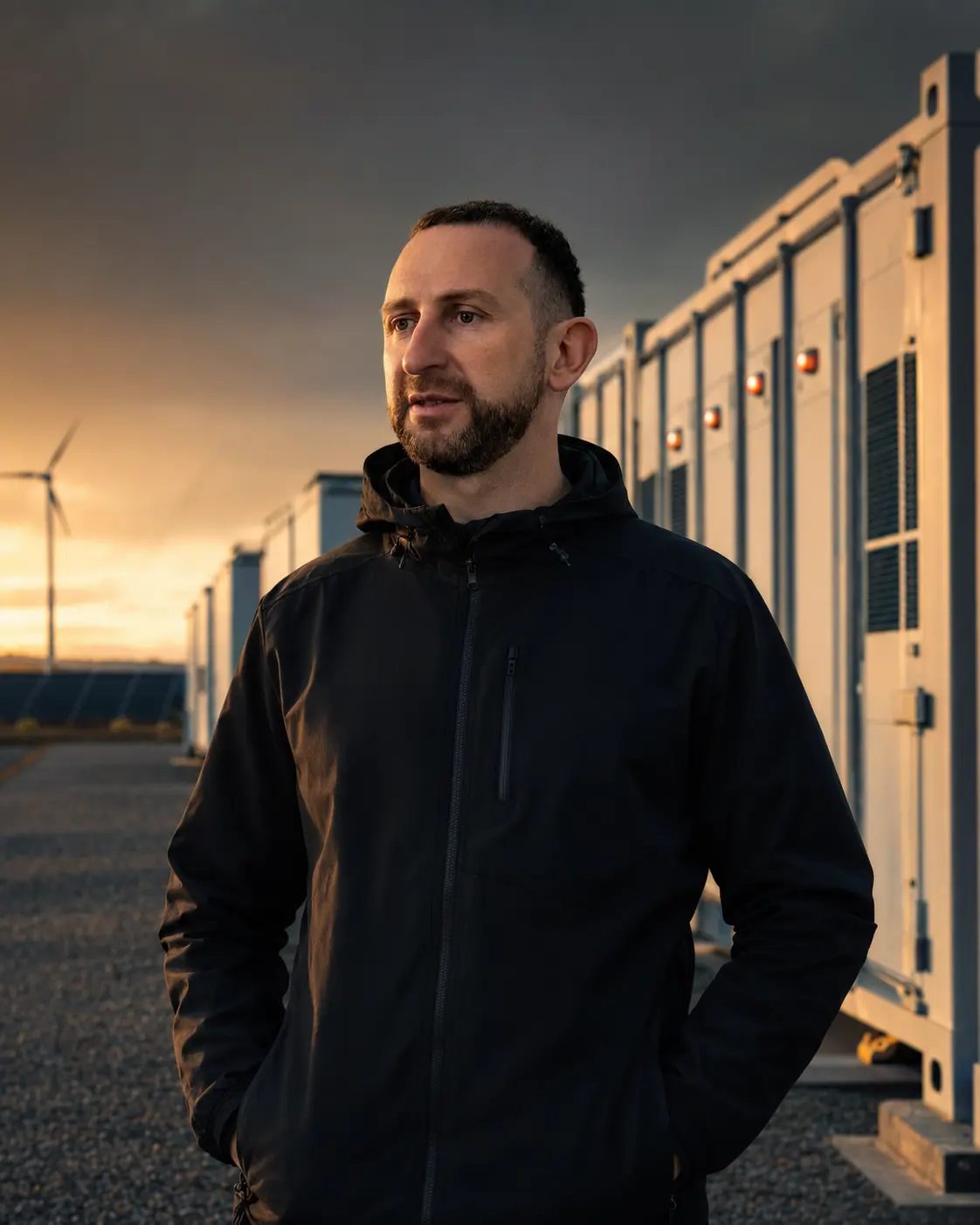
Energy is becoming the new currency, infrastructure a real form of power, and technology the language of progress. My aim isn't simply to build a business — it's to lay a foundation.
Real value appears when separate companies start working as a single organism — an energy, industrial and investment infrastructure for the future.
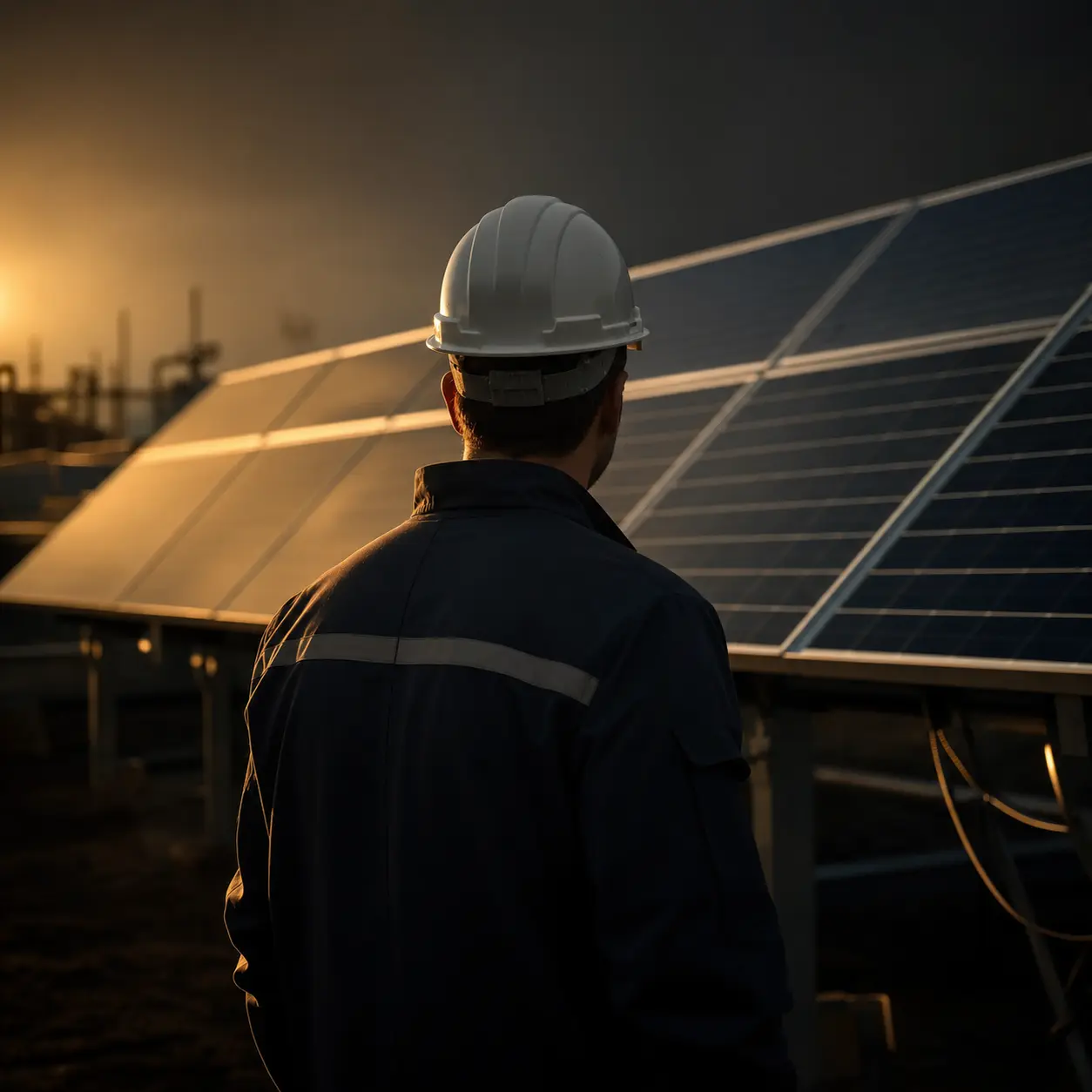
Solar energy, storage systems and energy autonomy
Developing energy assets and investment projects in energy
Industrial parks, industrial real estate and infrastructure
Capital management and long-term investment
Finding and building the directions that shape the future
One shared goal — to build the infrastructure of the future.
Solar generation, storage and energy autonomy
→
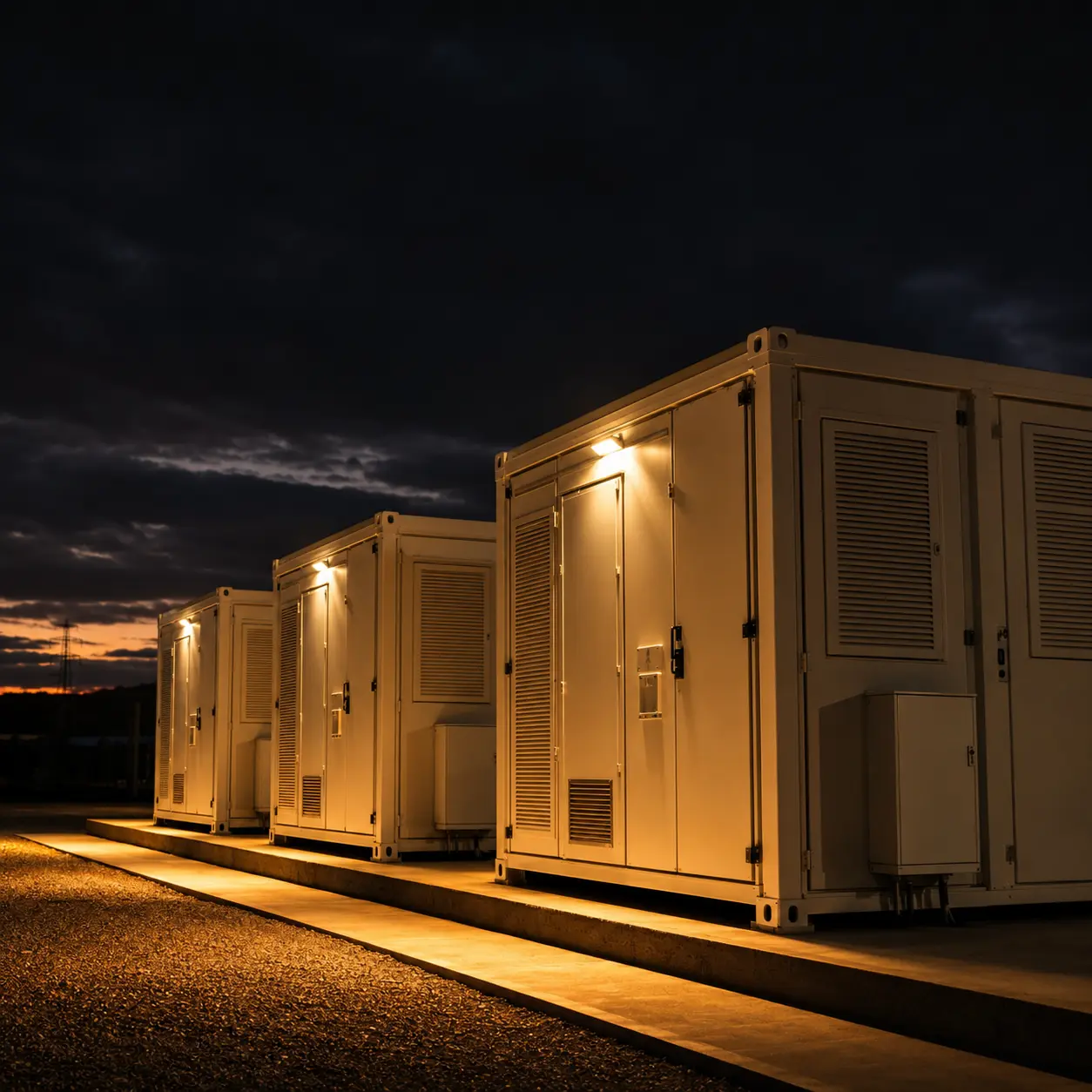
Storage systems from tens of kilowatts to multi-megawatt complexes
→
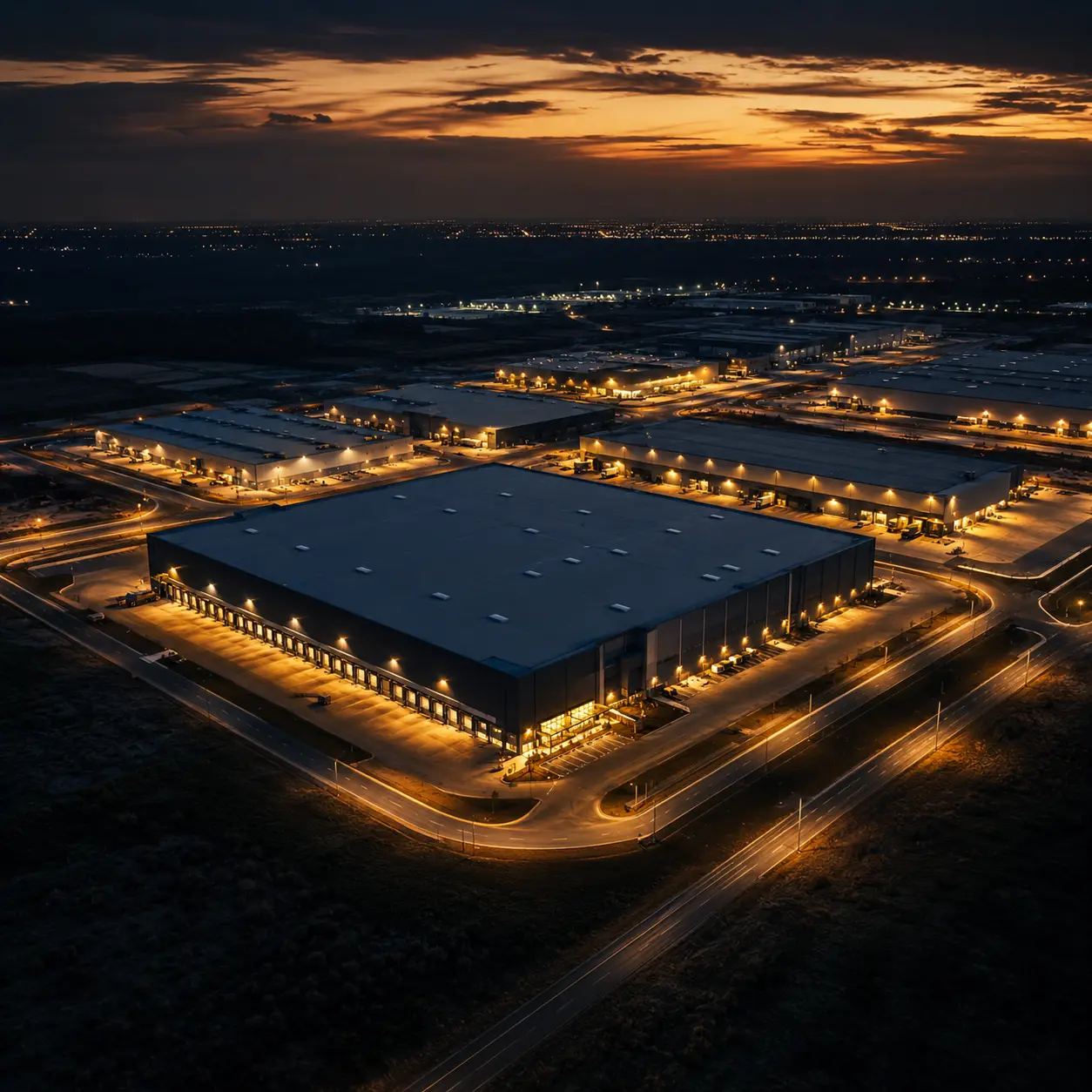
Modern industrial infrastructure for production and innovation
→
Structures for long-term capital growth and new opportunities
→
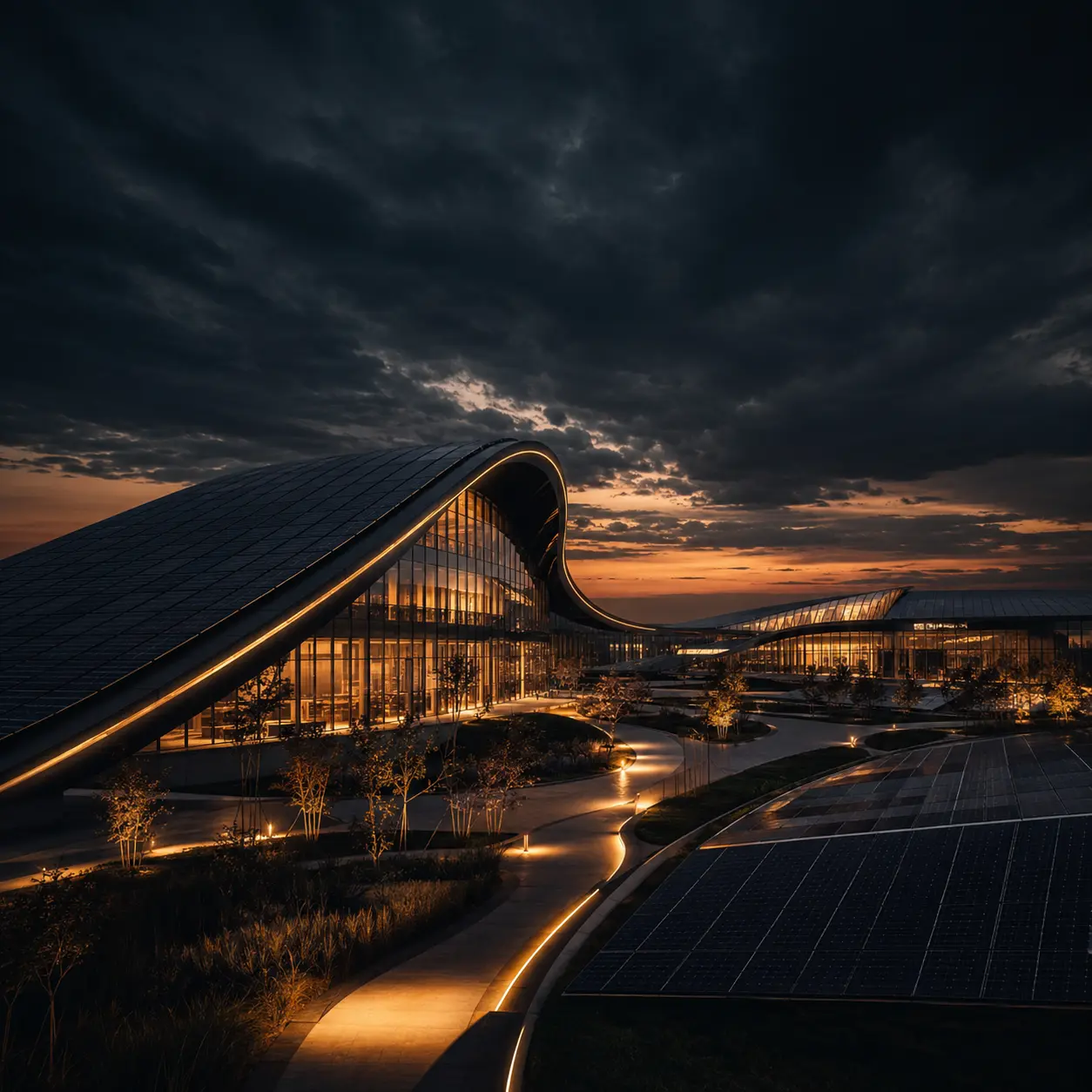
A next-generation cluster uniting generation, storage and energy management
→Numbers alone mean nothing. What matters is the impact behind them.
built and operated
generated to date
of experience in energy
And one goal no number can measure: building systems that last for decades.
Great civilizations are remembered not for their words, but for the systems they left behind.
Energy is quietly becoming the new currency — and understanding how it works is understanding the future.
Capital is a tool. Real value is created through people, systems and time.
The future belongs to those who build networks, industry, technology and knowledge.
What has always interested me is the pattern: how civilizations arise, how energy works, how capital is born.
In the end it all lives by one rule: create, develop, and pass it on.
Great civilizations left behind not words, but systems — pyramids, aqueducts, roads, cities. Nothing has really changed.
True legacy isn't measured by what you accumulate, but by what remains after you.
If you're working on large-scale ideas in energy, infrastructure, investment or technology — I'd be glad to connect.